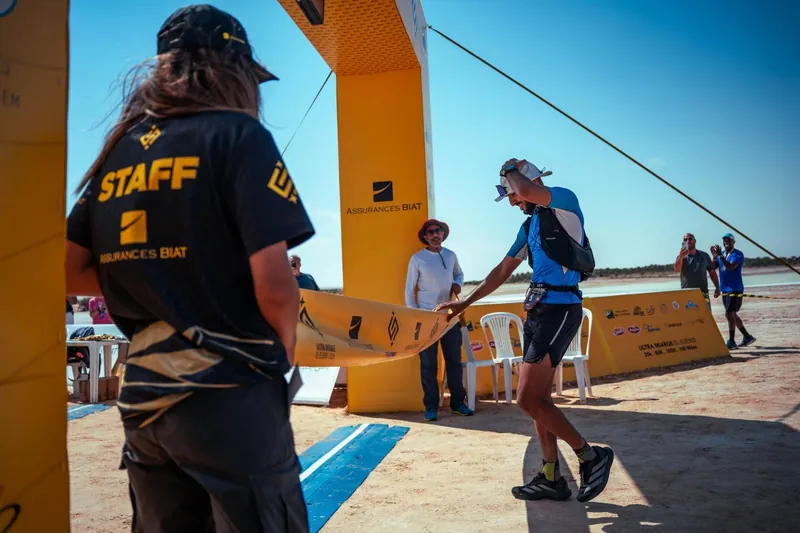
For eight editions, the race started at Mos Espa, the village built to shoot Star Wars. Since last year, the start line has been at Lake Chamsa, fifteen minutes outside Tozeur. Along the way, the race has weathered budget shortfalls, a pandemic, a sandstorm, and rains that flooded the course. It still ran every year, and it has delivered on the goals set at launch: putting Tunisia on the international ultra-trail map, building a homegrown elite, and putting Tozeur on people’s radar.
What I do for a living is design support programs for entrepreneurs. As I closed the book on these ten years, I realized how much the race had taught me about that work. Here are my four takeaways.
A course is designed one stage at a time
Designing a race course comes down to choosing where you send the runners. At Ultra Mirage, we went for the unexpected: lakes in the middle of the desert, a salt flat whose white crust stretches as far as the eye can see, petrified dunes. Every stretch made the cut for what it says about the region and for what runners won’t experience anywhere else.
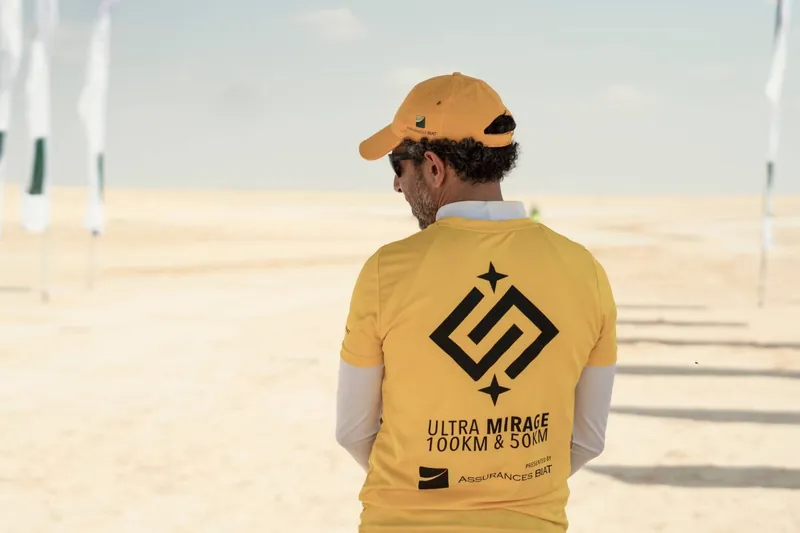
A support program is built the same way. You map out a path, and its value comes down to the stages you choose to put on it.
Know when to walk away from what looks good
Leaving Mos Espa was a tough call. The village was part of the race’s identity; it was the image everyone recognized. But it made logistics, access and comfort harder for everyone, runners and volunteers alike. We picked Lake Chamsa: less iconic, far more practical.
A lot of founders hold on to the thing that made them known, even when it’s holding the rest of the business back. Trading what looks good for what actually works: that’s a real pivot.
Iterate without losing what works
Edition after edition, we improved the runner experience. Some changes were small, like the food at the finish line. Others were heavier lifts, like live GPS tracking. Every time, we made sure not to break what was already working.
A program that starts from scratch with every cohort throws away everything the last cohort taught it.
Build it to take a hit
Ten editions means ten chances to watch the original plan collide with reality: a budget that still isn’t closed a few weeks out, a pandemic that shuts everything down, a sandstorm or rains that wipe out part of the course. None of it was in the plan.
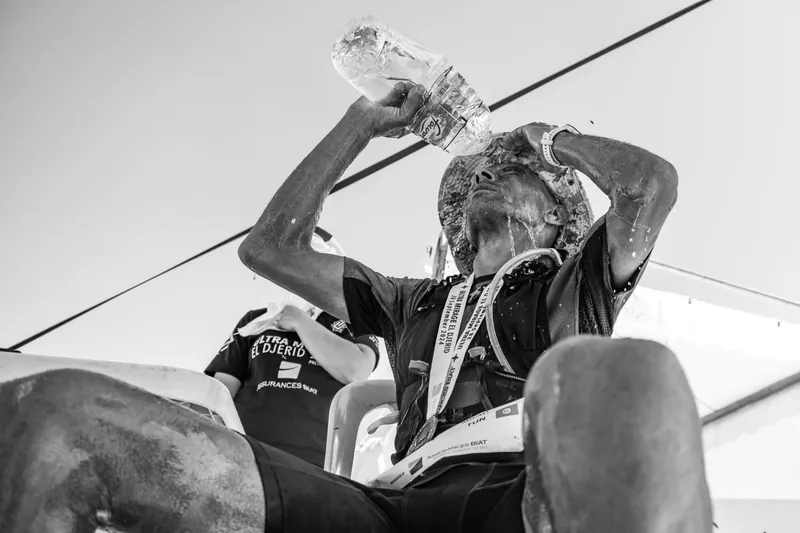
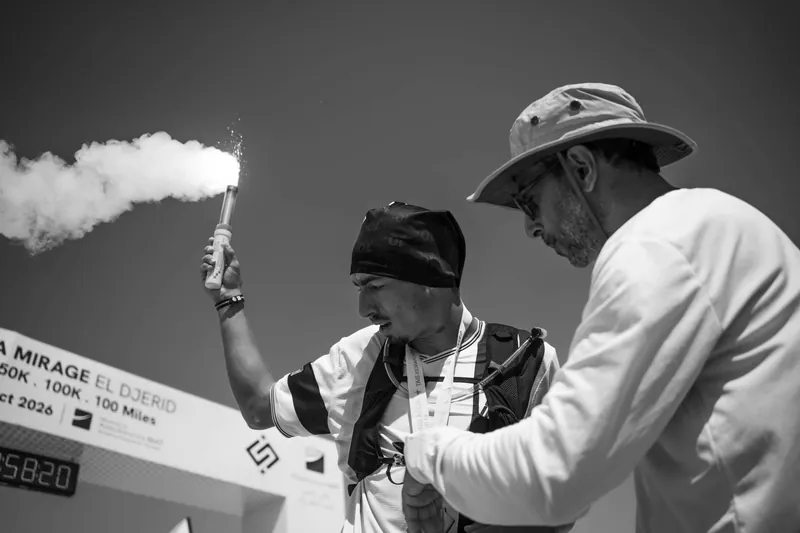
The race held up because the organization could absorb those shocks. It ran on well-oiled processes, on a team that knew what to do when things went sideways, and on a mission clear enough that nobody wondered why they were still out there at three in the morning.
That may be the most useful lesson, for a founder as much as for anyone designing a program. A venture doesn’t survive because everything goes right. It survives because it was built to take the hits when things go wrong.
What I saw from the ground
I lived these ten editions as a volunteer. I watched the organization grow, get things wrong, pull all-nighters. Every year at the finish line, I saw the hugs, the tears, the emotions spilling over. That vantage point is where I understood what kept the race going. It’s also the one I keep with the entrepreneurs I support, while I design the programs they go through.
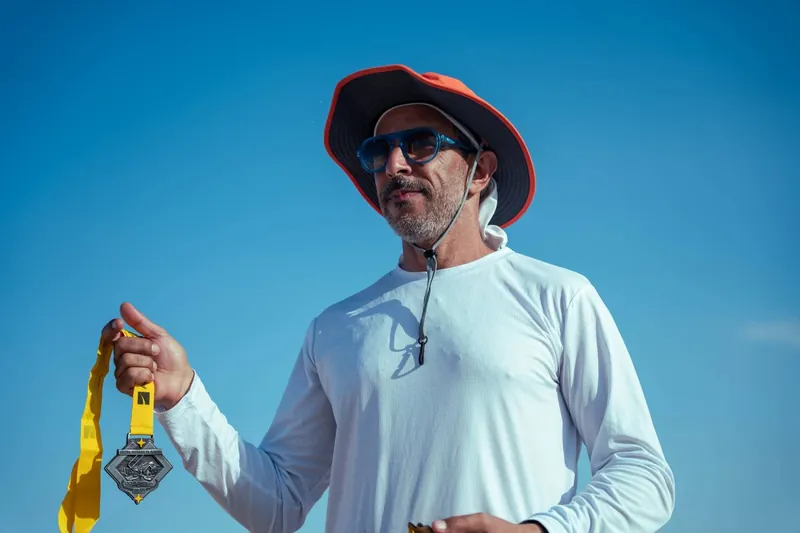
None of this would have been possible without a few people and partners. Amir Ben Gacem, the race’s founder, gave me his blessing on day one and has trusted me ever since. Assurances BIAT, our presenting partner, renewed its commitment every single edition, including the years when nothing was a given. And the volunteers carried the race year after year: the team that knows what to do when things go sideways is them, first and foremost.